JOT Oilfield Services LLC

The Importance of Thread Inspection in Downhole Tool Performance

  • June 29, 2026
The Importance of Thread Inspection in Downhole Tool Performance

In oilfield drilling operations, even the most advanced downhole tools can fail if one critical component is overlooked: the thread connection. Threaded connections are responsible for securely joining drilling assemblies, transmitting torque, supporting axial loads, and maintaining pressure integrity throughout drilling operations.

Whether used in drill string stabilizers, crossover drilling tools, fishing tools for drilling, or other downhole products, thread quality directly impacts operational reliability. This is why thread inspection remains one of the most important quality control processes performed by leading oil field equipment manufacturers and oil & gas equipment supply & service companies.

Why Thread Inspection Matters

Downhole tools operate under extreme conditions, including:

  • High torque loads
  • Vibrational stress
  • Cyclic loading
  • Abrasive formations
  • High-pressure environments

A damaged or improperly machined thread can lead to:

  • Connection failures
  • Tool separation
  • Expensive fishing operations
  • Non-productive time (NPT)
  • Equipment damage

For oilfield suppliers and oil and gas equipment suppliers, ensuring thread integrity is essential for maintaining tool performance and operational safety.

The Role of Threads in Downhole Tools

Threaded connections are found in a wide range of equipment, including:

  • Drill string stabilizers
  • Pilot mills
  • Watermelon mills
  • Taper mills
  • String Mills
  • Thru tubing mills
  • Junk mills
  • Overshot fishing tools
  • Junk basket fishing tools
  • Crossover drilling tools

These components rely on precise thread engagement to withstand demanding drilling conditions without failure.

Common Thread Defects Found During Inspection

1. Thread Wear

Repeated makeup and breakout operations gradually wear thread profiles.

Potential consequences:

  • Reduced connection strength
  • Improper torque transfer
  • Increased risk of connection failure

2. Galling and Surface Damage

Metal-to-metal friction can cause thread galling.

Problems include:

  • Difficult makeup operations
  • Leakage risks
  • Reduced service life

3. Corrosion Damage

Exposure to drilling fluids and harsh environments can corrode threads over time.

This may result in:

  • Material loss
  • Reduced load capacity
  • Premature tool failure

4. Manufacturing Defects

Even high-quality tools require verification after manufacturing.

Common issues include:

  • Incorrect thread profiles
  • Poor dimensional accuracy
  • Surface imperfections

This is why experienced oil and gas machine shops and CNC machining companies perform thorough thread inspections before releasing equipment.

How Thread Inspection Improves Downhole Tool Performance

Enhanced Connection Reliability

Accurate thread inspection ensures proper engagement and load distribution between connected components.

Benefits include:

  • Improved torque transmission
  • Reduced risk of backing off
  • Better operational safety

Reduced Non-Productive Time (NPT)

Thread-related failures often result in costly downtime.

Regular inspections help prevent:

  • Stuck assemblies
  • Fishing operations
  • Unexpected equipment failures

Extended Equipment Life

Early detection of wear and damage allows maintenance teams to repair or refurbish components before major failures occur.

This supports longer service life for valuable downhole products and drilling tools.

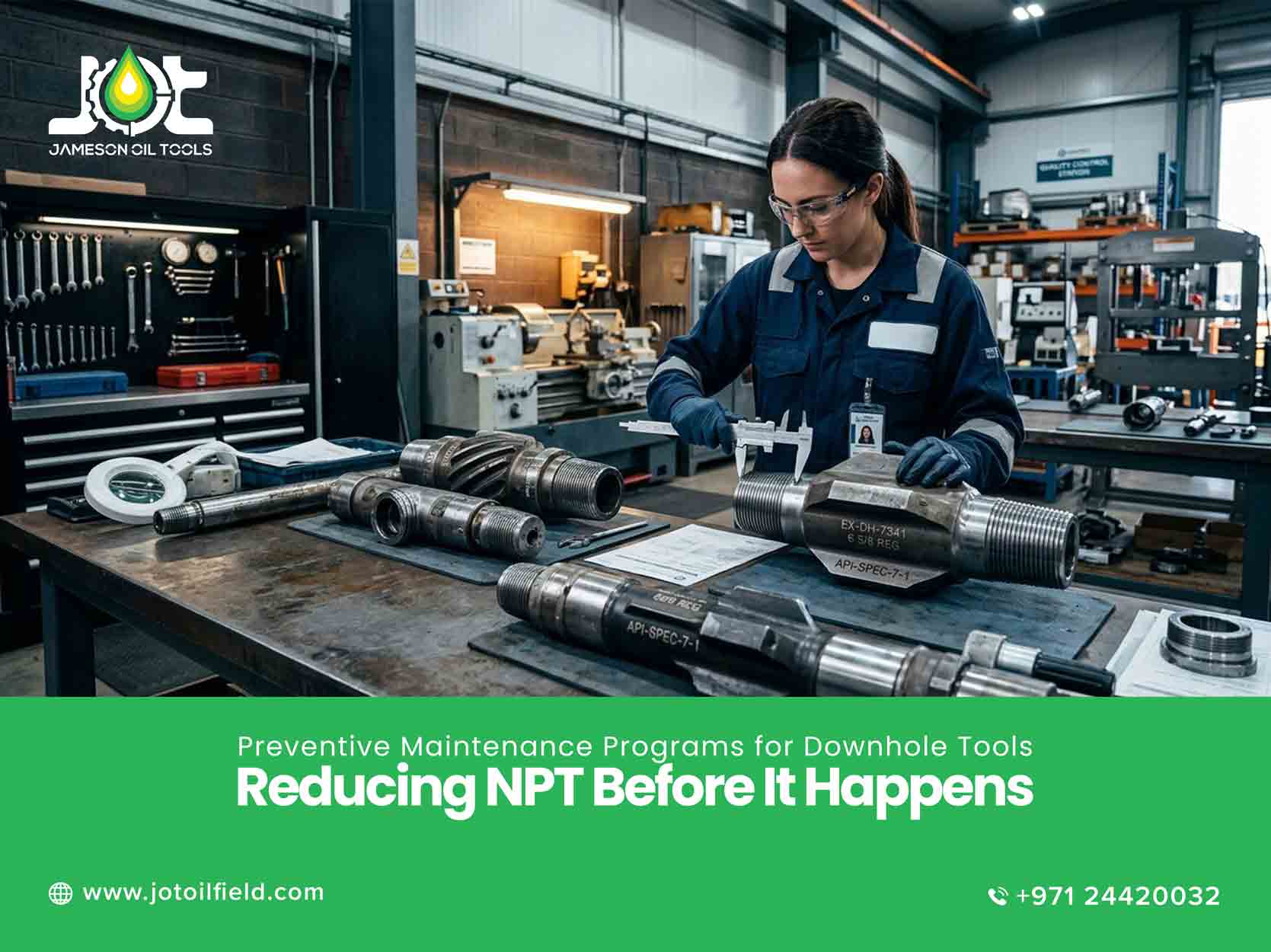
Inspection Techniques Used by Leading Oilfield Equipment Suppliers

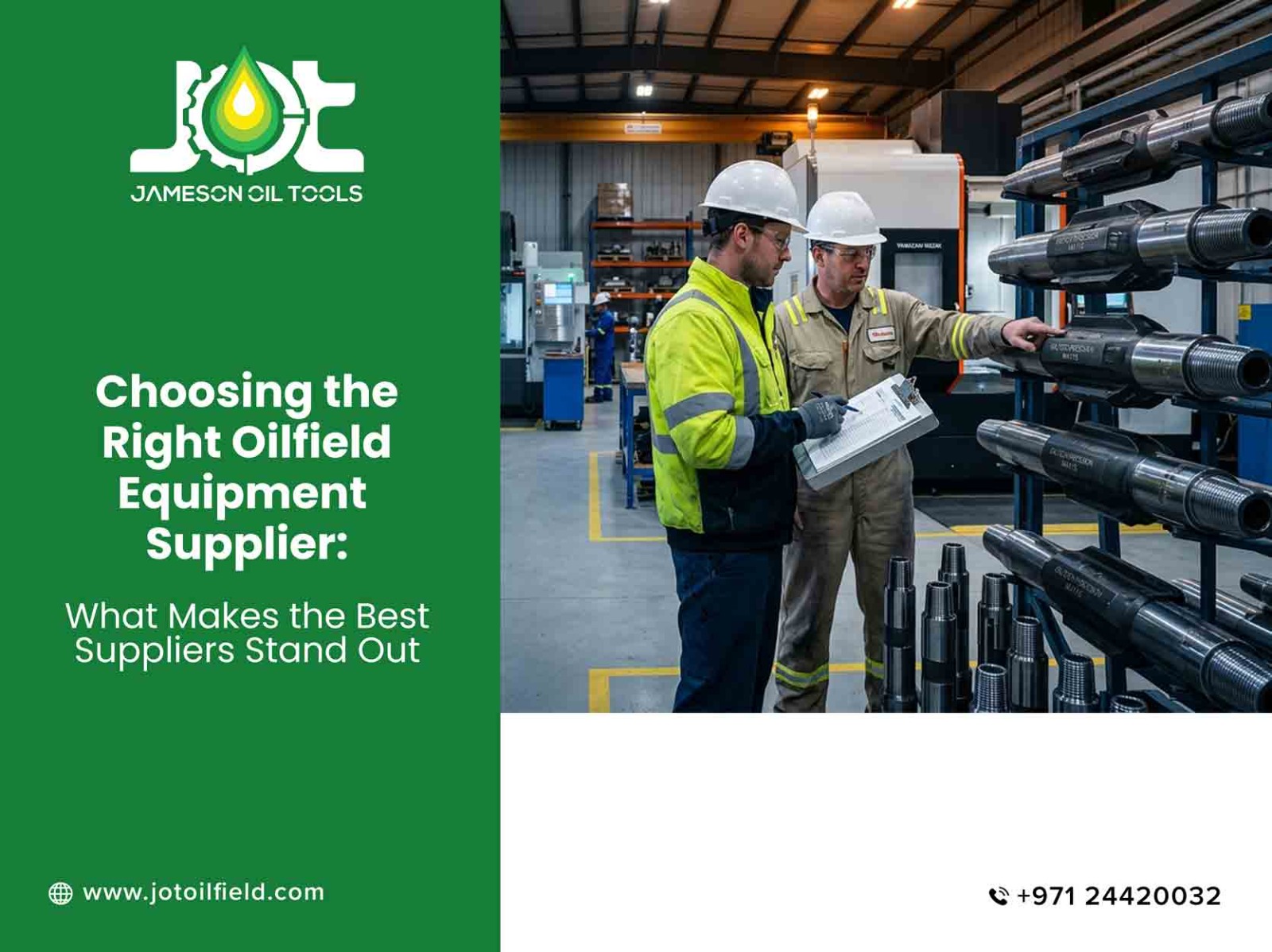
Reliable oil field supply companies use advanced inspection methods to verify thread quality.

Visual Inspection

The first step in identifying:

  • Surface damage
  • Corrosion
  • Mechanical wear

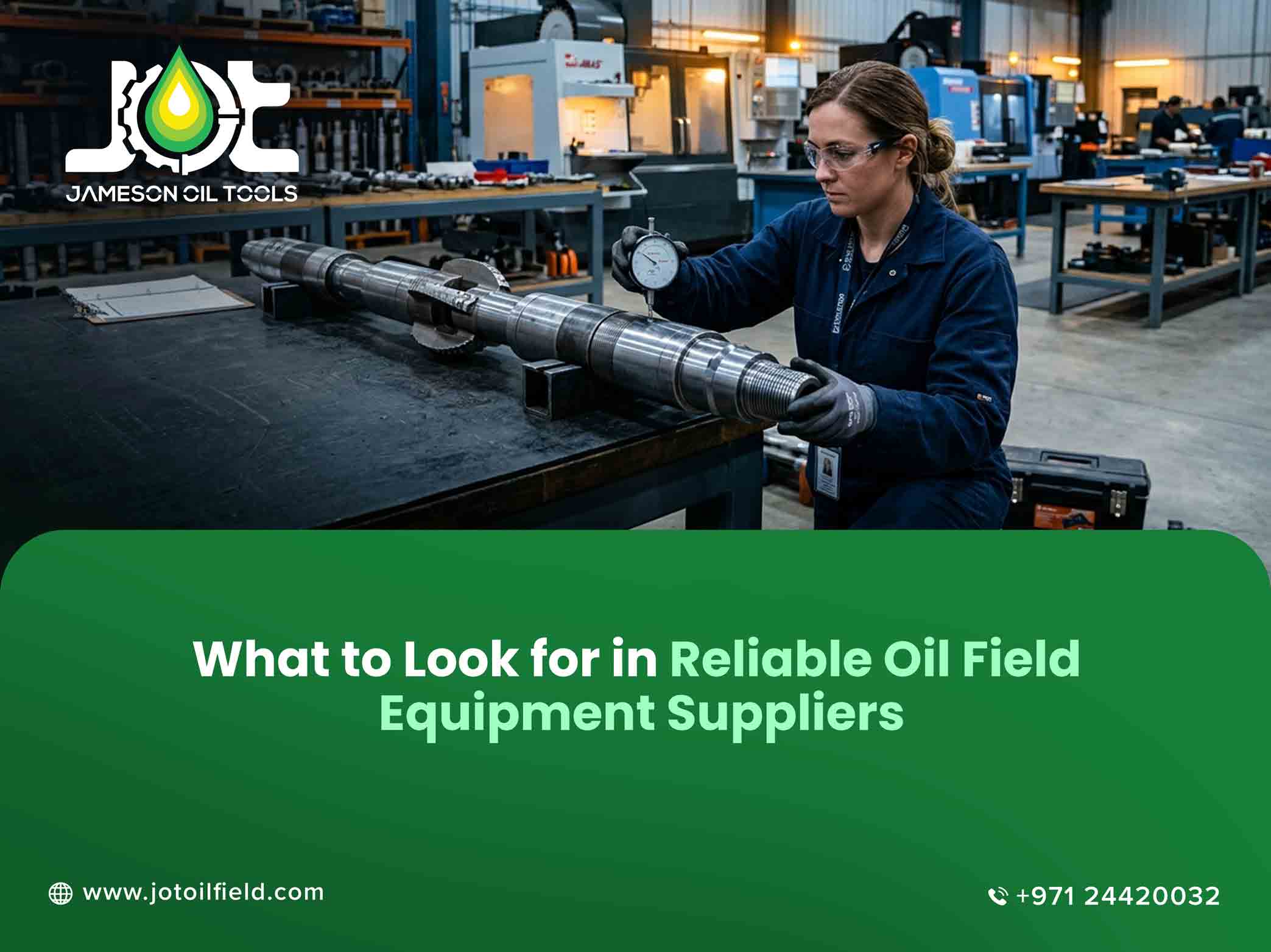
Thread Gauging

Precision gauges verify:

  • Pitch diameter
  • Thread profile
  • Connection tolerance

Dimensional Verification

Advanced measuring equipment ensures compliance with API specifications.

Non-Destructive Testing (NDT)

NDT methods help identify:

  • Surface cracks
  • Hidden defects
  • Structural damage

These inspections are standard among the Best Oilfield Equipment Suppliers and quality-focused manufacturers.

Precision Manufacturing Supports Better Thread Quality

Thread performance begins during manufacturing.

Advanced equipment used by oil field equipment manufacturers includes:

  • CNC milling
  • Radial drilling machine
  • Cylindrical grinding machine
  • Band saw cutting machine

These technologies ensure precision-machined threads that meet strict industry requirements.

JOT Oilfield Services utilizes modern manufacturing processes to maintain dimensional accuracy across all critical tool connections.

Thread Inspection During Refurbishment Operations

Thread inspection is equally important during maintenance and refurbishment.

Services often include:

  • PDC drill bits repair
  • PDC drill bit refurbishment
  • Dressing of milling tools
  • Redress of milling tools
  • Hardfacing restoration

By inspecting threads during refurbishment, operators can restore tools to safe operating conditions and maximize asset value.

Hardfacing and Thread Protection

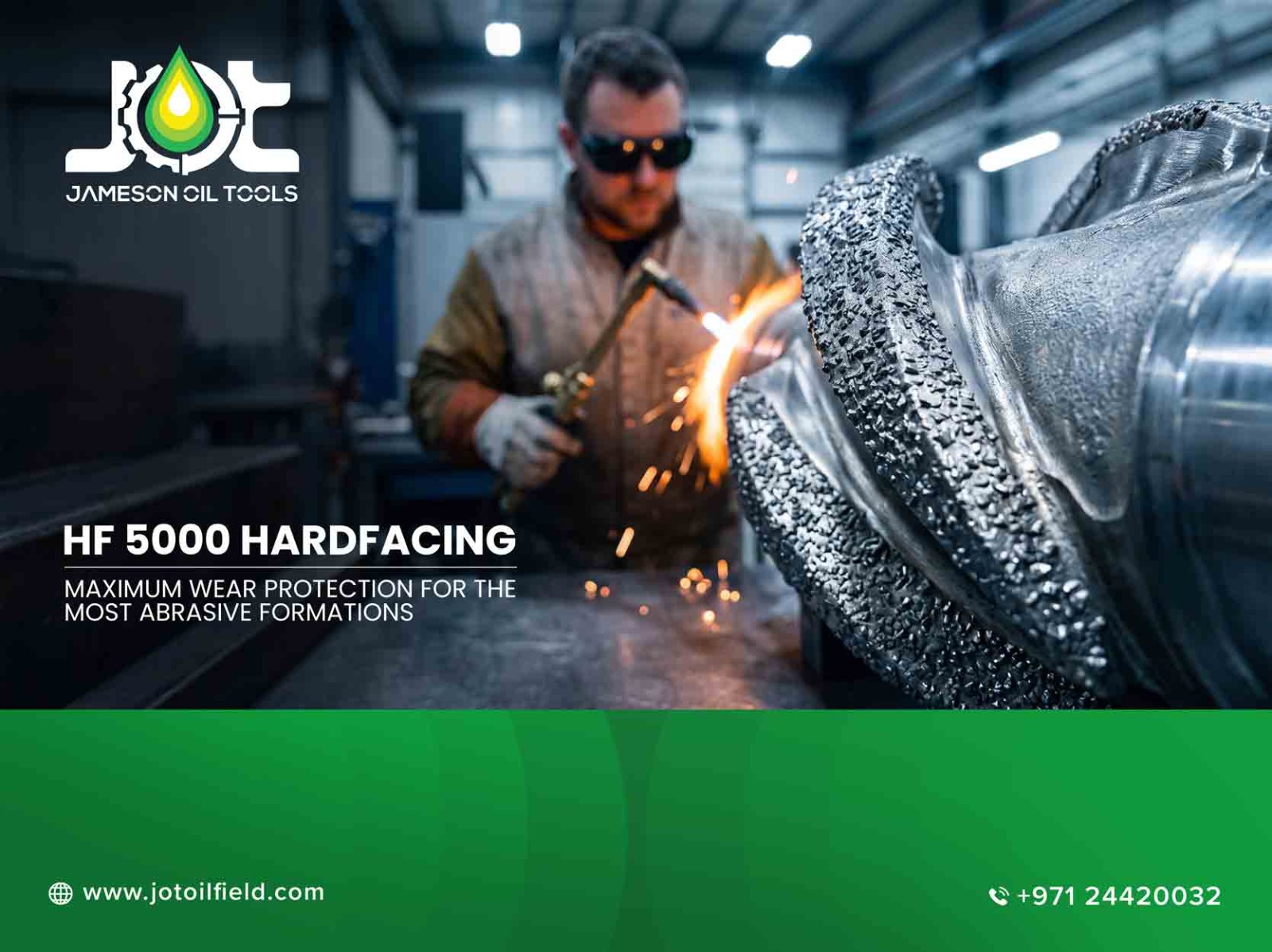
While hardfacing services primarily protect wear surfaces, maintaining overall tool integrity contributes to thread longevity.

JOT offers:

  • HF1000 hard facing
  • HF 3000 hard facing
  • HF 5000 hard facing
  • Hard-facing stabilisers

These solutions improve wear resistance and support long-term tool performance in demanding drilling environments.

Supporting Critical Oilfield Operations

Thread inspection plays a vital role in the reliability of equipment used across various applications, including:

  • Oilfield fishing tools
  • Overshot fishing tools
  • Junk basket fishing tools
  • Pilot mills
  • Watermelon mills
  • Taper mills
  • String Mills
  • Junk mill manufacturing
  • Drill string stabilizers
  • Crossover drilling tools

For operators, maintaining thread integrity helps ensure safe and efficient drilling operations.

Why JOT Prioritizes Thread Inspection

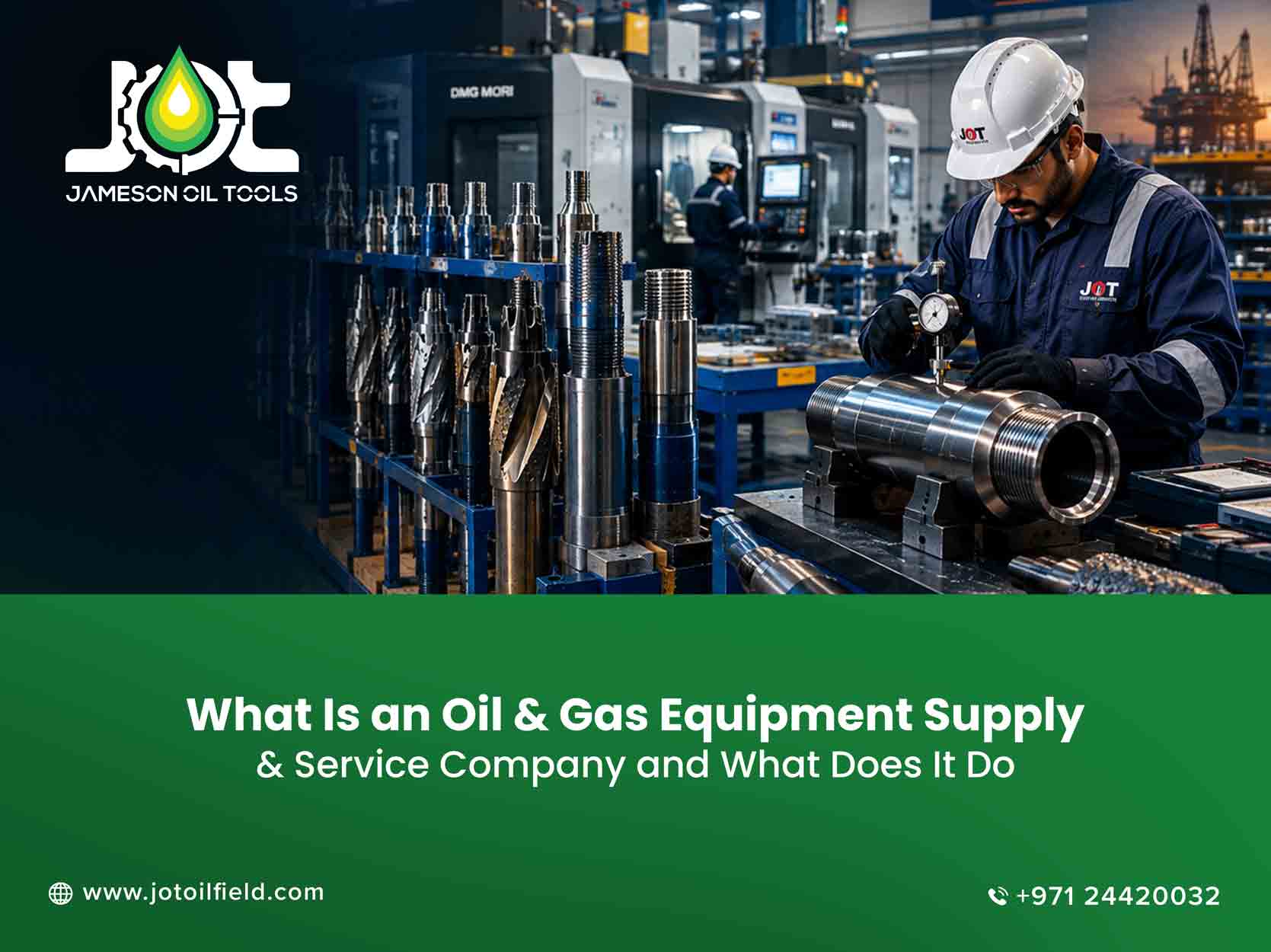
As a trusted Oil & Gas Equipment Supply & Service Company, JOT Oilfield Services integrates thread inspection into its quality assurance processes.

Our capabilities include:

  • Precision manufacturing
  • Tool refurbishment
  • Hardfacing services
  • Inspection and testing
  • Maintenance support
  • Oilfield equipment supply

We support clients across the UAE, Oman, and Saudi Arabia with reliable products and services designed to reduce downtime and improve operational performance.

Conclusion

Thread inspection is a critical yet often overlooked aspect of downhole tool performance. Properly inspected threads improve connection reliability, reduce equipment failures, and extend tool lifespan. For oilfield equipment supply companies, operators, and maintenance teams, investing in regular thread inspection is one of the most effective ways to improve drilling efficiency and reduce operational risk. At JOT Oilfield Services, quality inspection, precision manufacturing, and expert refurbishment help ensure every tool performs reliably in the demanding environments of today’s oil and gas industry.

Download Catalogue

Browse our comprehensive catalogue for a diverse range of high-quality oil and gas equipment solutions.


Download
Top