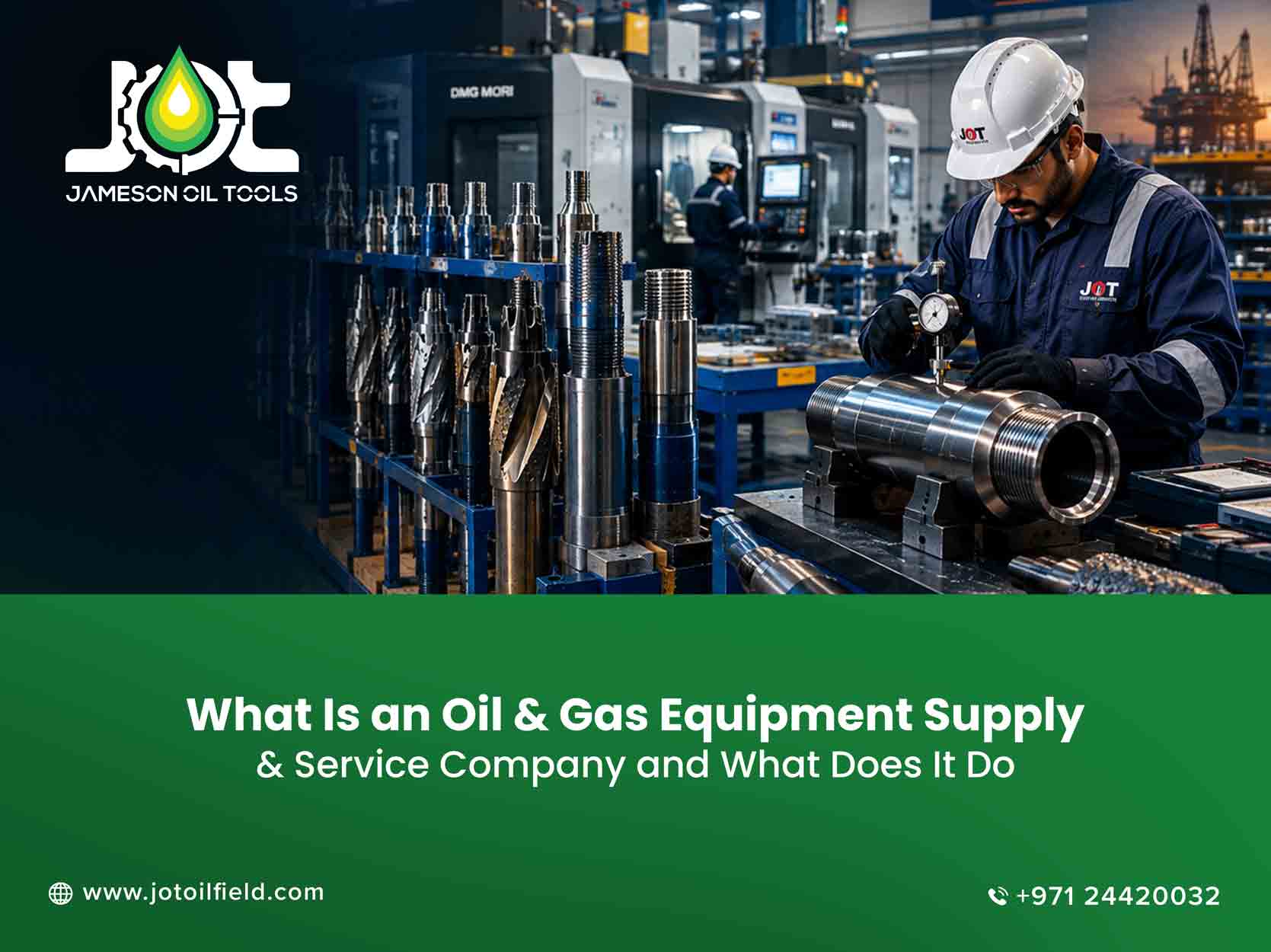

In the oil and gas industry, equipment reliability directly affects drilling performance, safety, productivity, and operational costs. Choosing the right oil field equipment suppliers is therefore more than a purchasing decision - it is an important part of managing operational risk.
From downhole tools and drilling equipment to milling tools, fishing tools, stabilizers, and refurbishment services, operators need suppliers who can consistently deliver quality products, technical expertise, and responsive support. With numerous oilfield equipment suppliers available across the global market, how can operators identify a reliable partner?
This guide explains the key factors to consider when selecting an oil field equipment supplier for drilling and well intervention operations.
Oilfield operations often involve high-pressure, high-temperature, abrasive, and mechanically demanding conditions. Equipment failure can result in:
A reliable supplier helps reduce these risks by providing properly engineered equipment, consistent quality, and technical support throughout the equipment lifecycle.
The right supplier should not simply sell equipment. They should understand your application and provide solutions that support reliable drilling operations.
A reliable oil field equipment supplier should offer a comprehensive range of products for different drilling and intervention requirements.
Depending on your operation, this may include:
A broad product portfolio makes procurement easier and can also improve compatibility between different components of the Bottom Hole Assembly (BHA).
Instead of sourcing individual tools from multiple suppliers, operators can work with a partner capable of supporting several stages of their drilling and intervention operations.
One of the most important factors when evaluating oil field equipment manufacturers is their manufacturing capability.
Reliable suppliers should have access to precision manufacturing technologies such as:
CNC machining enables manufacturers to produce components with accurate dimensions and repeatable tolerances.
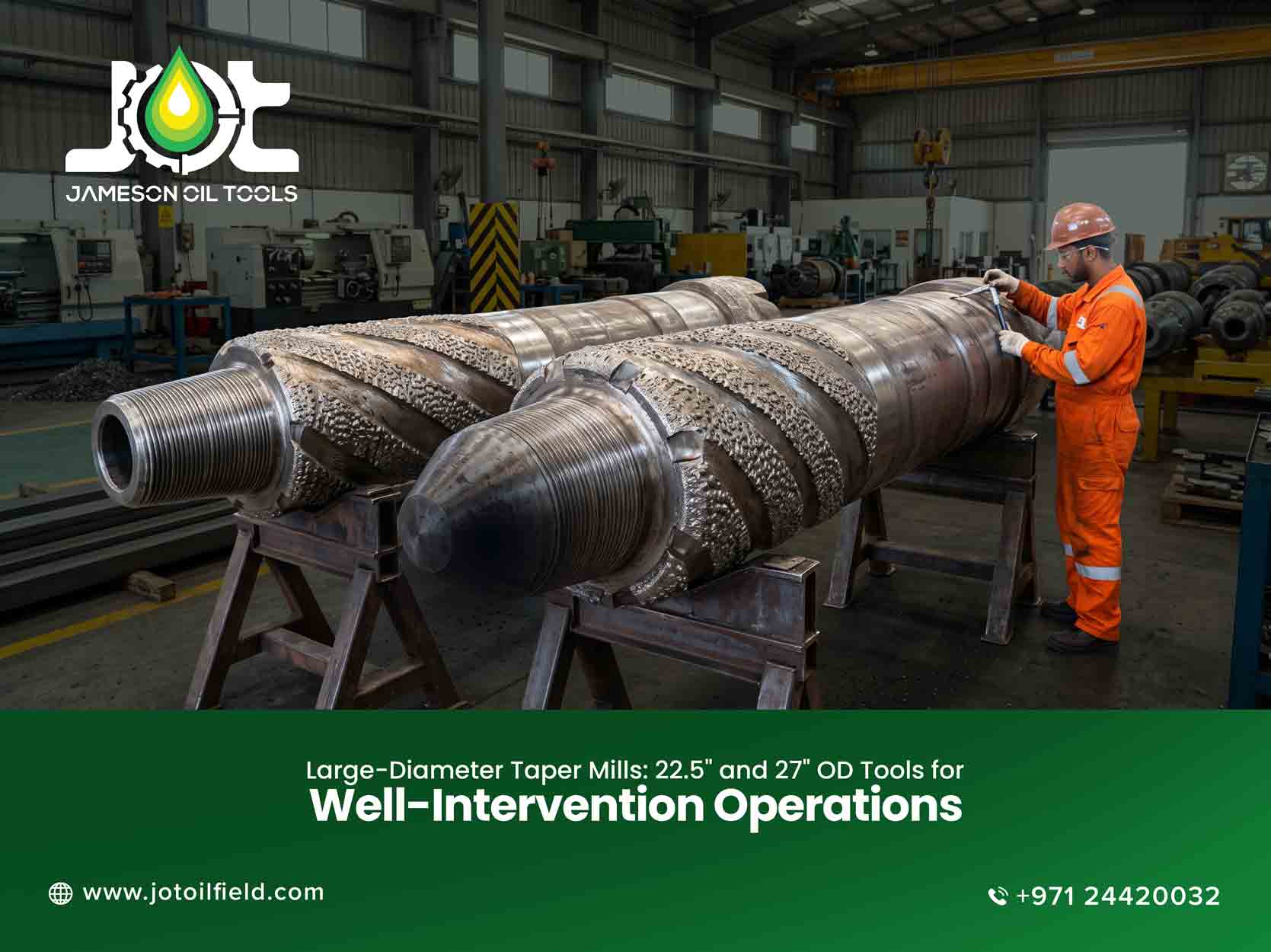
CNC milling is particularly important for complex stabilizer blades, milling tools, and customized downhole components.
Grinding processes help achieve the required surface finish and dimensional accuracy for critical components.
Proper heat treatment can improve the strength, toughness, and wear resistance of steel components used in demanding drilling environments.
Reliable manufacturers should maintain material records, heat numbers, inspection reports, and other documentation throughout production. Strong manufacturing capabilities provide greater confidence that equipment will perform consistently downhole.
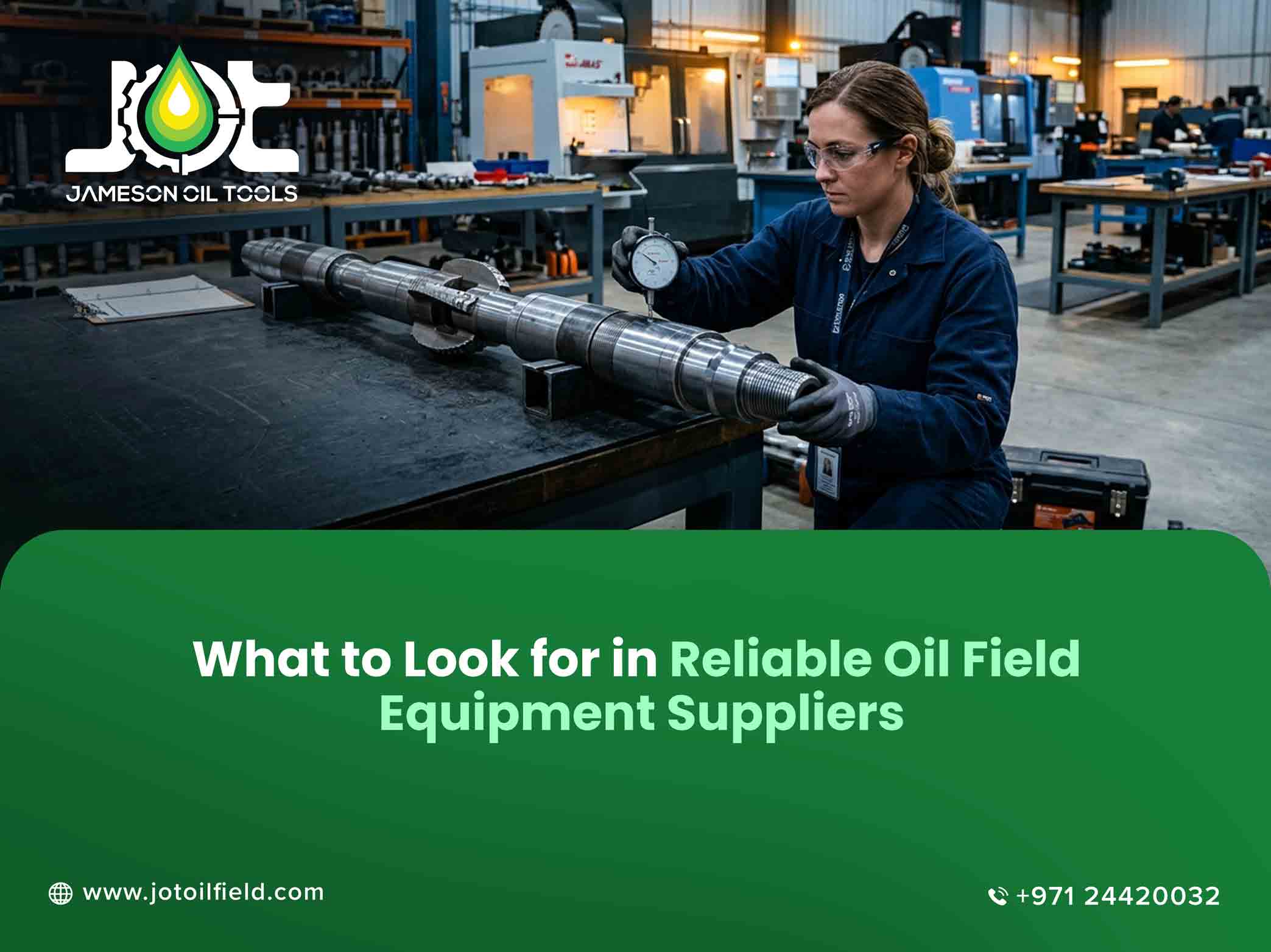
Quality control should be a central consideration when selecting oilfield equipment suppliers. Before purchasing critical downhole equipment, ask how the supplier verifies product quality.
A comprehensive quality system may include:
For threaded components such as crossover subs, thread inspection is particularly important because connection integrity affects torque transmission, pressure containment, and overall BHA reliability. A supplier that can provide complete inspection documentation offers greater transparency and traceability.
Oilfield equipment operates in safety-critical environments. Suppliers should therefore demonstrate compliance with applicable industry standards and customer specifications.
When evaluating a supplier, consider:
For drilling tools and rotary shouldered connections, appropriate API requirements may be particularly important. Rather than choosing a supplier solely because of price, operators should evaluate whether its quality system is capable of consistently meeting the required specifications.
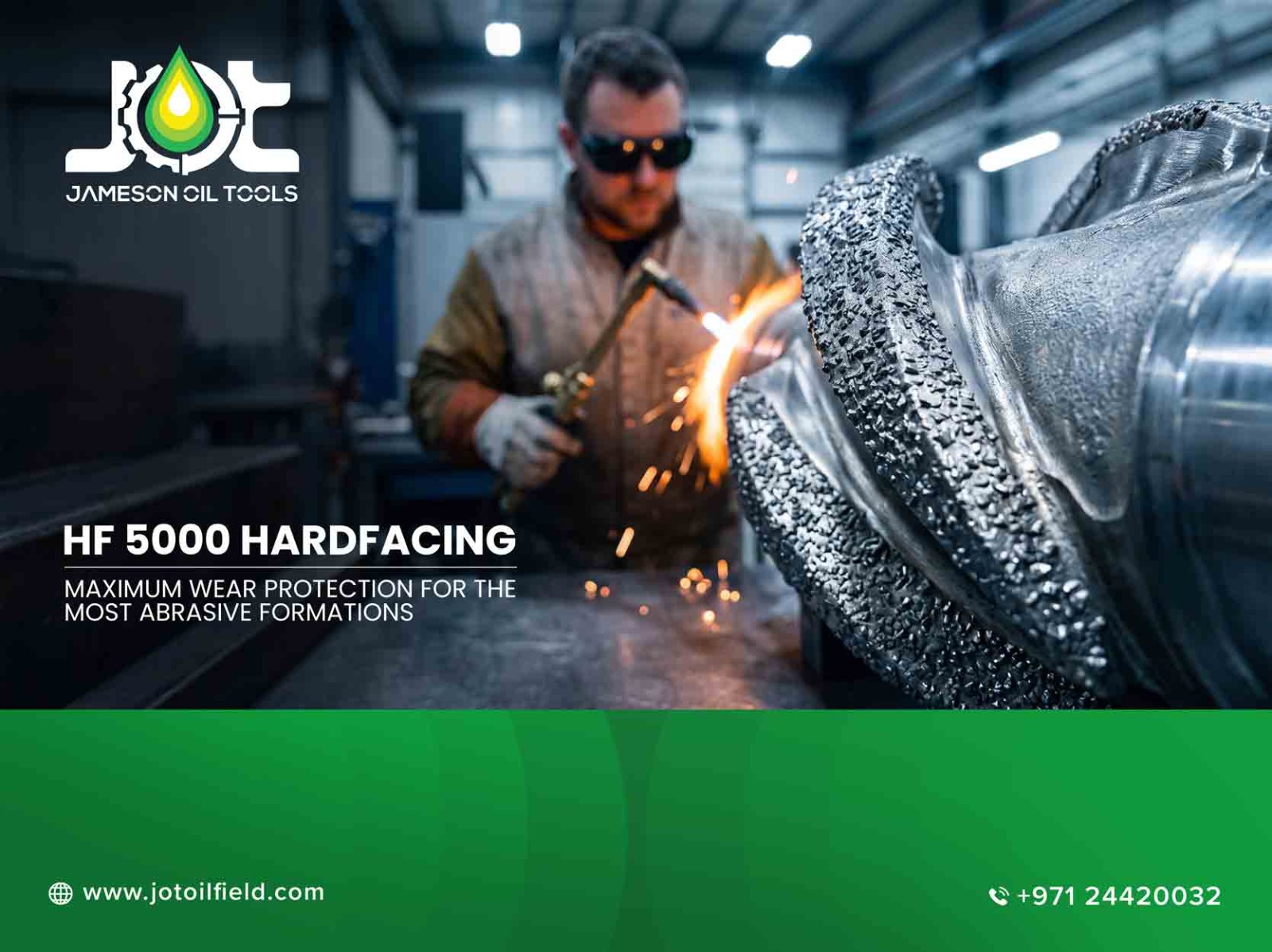
Wear is a major challenge for stabilizers and milling tools, especially in abrasive formations. A reliable supplier should understand how hardfacing selection affects tool performance.
Common hardfacing solutions include tungsten carbide-based wear protection and application-specific grades such as:
The supplier should be able to recommend the appropriate hardfacing solution based on:
Proper hardfacing can help maintain tool geometry, improve wear resistance, and reduce premature replacement.
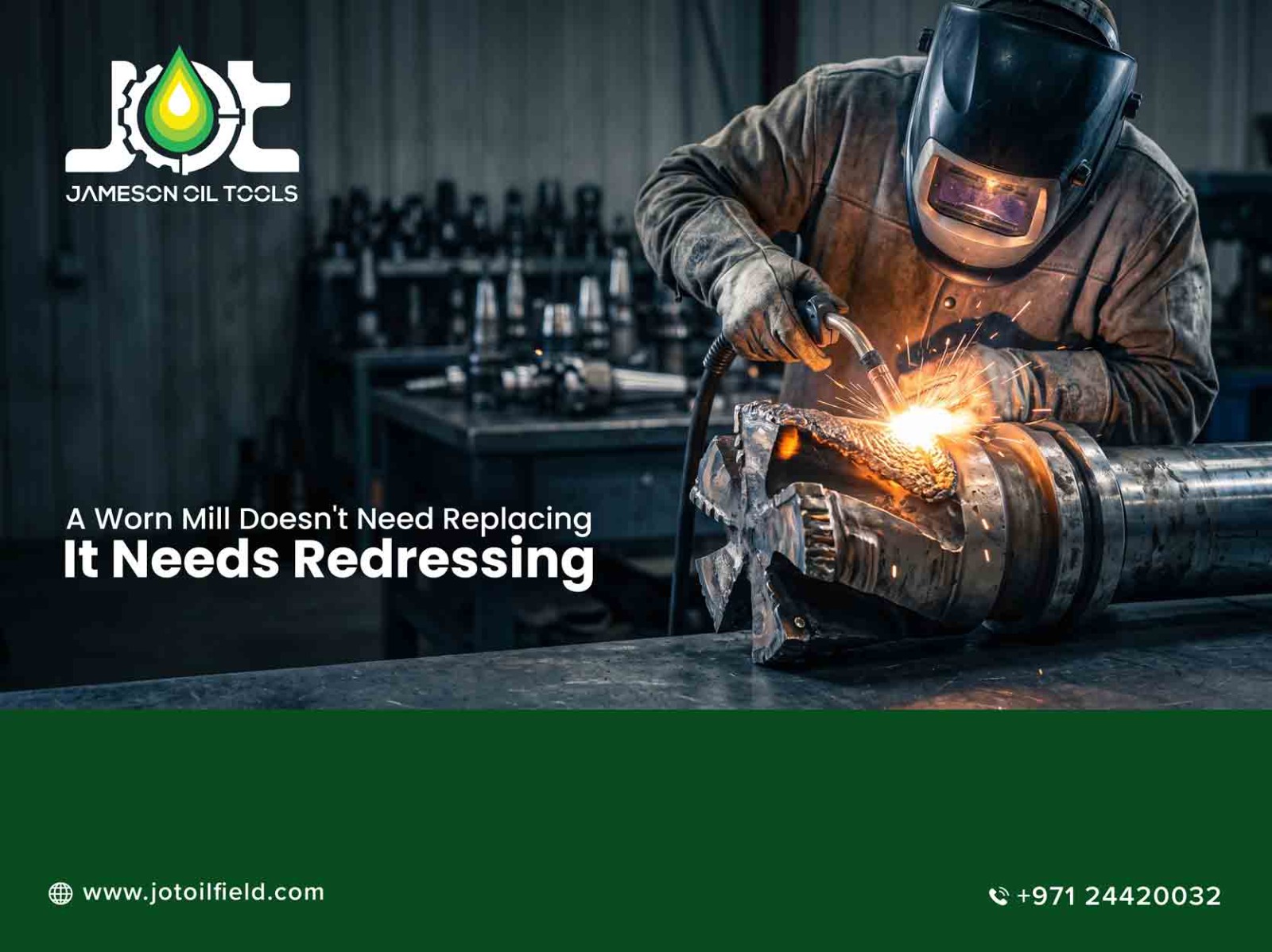
A reliable supplier should ideally support equipment beyond the initial sale. Oilfield tool refurbishment can provide a cost-effective way to restore suitable tools and extend their service life.
Refurbishment capabilities may include:
This lifecycle approach allows operators to maintain valuable equipment rather than automatically replacing every worn component. A supplier offering both manufacturing and refurbishment can also provide better continuity throughout the tool's operating life.
Equipment selection should be based on application requirements, not simply availability.
A reliable oil field equipment supplier should have technical personnel who can assist with:
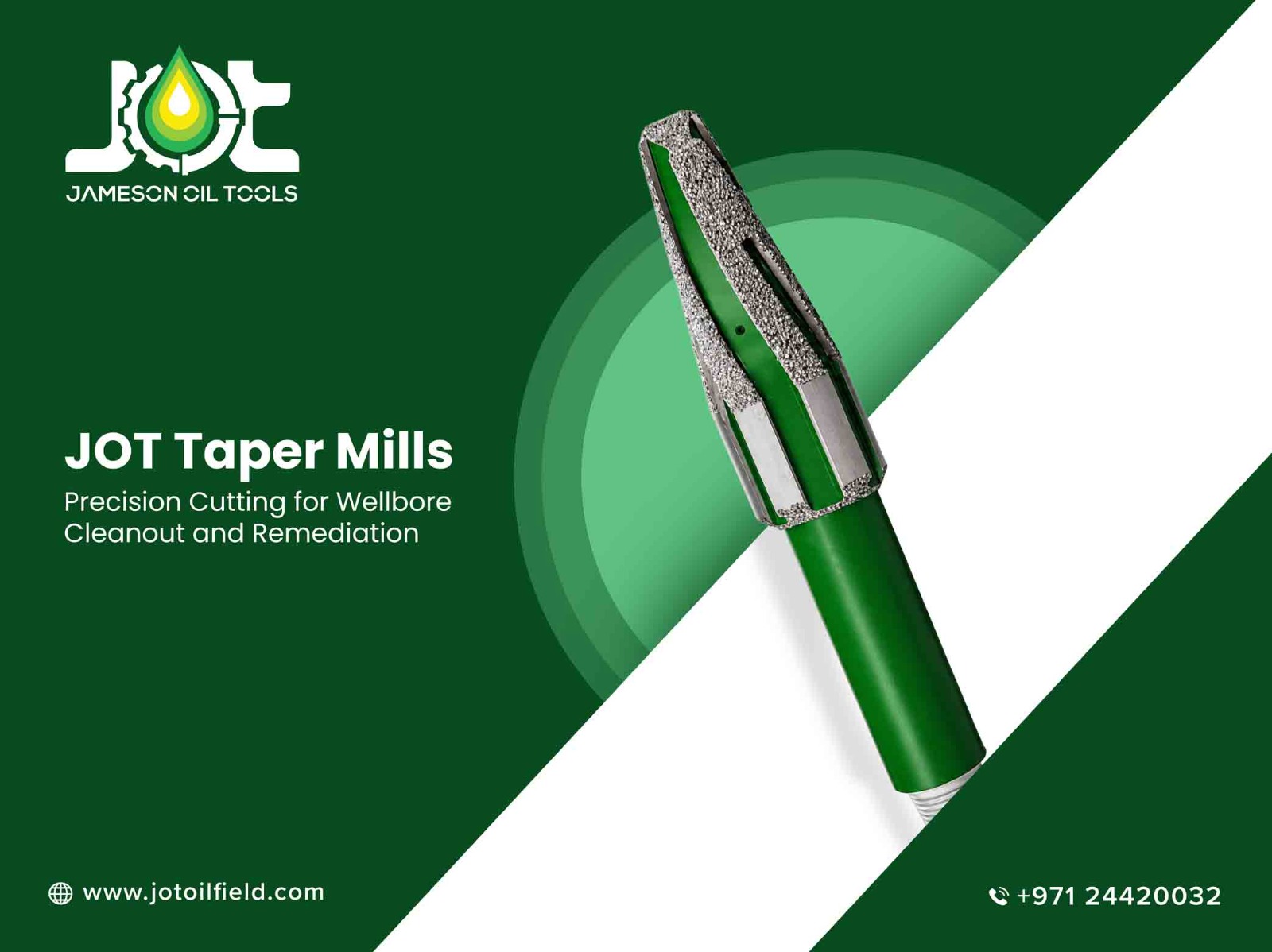
For example, selecting between a pilot mill, taper mill, or watermelon mill depends on the obstruction and the intended operation. Technical guidance helps ensure the equipment is correctly matched to the job.
In drilling operations, time has significant value. A tool failure can create an immediate requirement for replacement equipment or refurbishment. Long international supply chains can increase downtime through:
Local or regional oilfield suppliers can provide important advantages through:
For operators working across the UAE, Oman, and Saudi Arabia, regional availability can be particularly valuable when responding to urgent operational requirements.
Not every drilling application can be solved with a standard tool.
Wells may require customized:
A supplier with engineering and CNC manufacturing capabilities can adapt equipment to specific operational requirements. Custom manufacturing is especially useful for specialized BHAs, unusual connection combinations, and challenging well intervention applications.
Documentation is an important indicator of supplier quality.
A professional supplier should be able to provide appropriate records such as:
Good documentation provides traceability and makes it easier for operators to monitor equipment throughout its lifecycle.
Technical knowledge of the local operating environment can be a major advantage. The UAE, Oman, and Saudi Arabia have diverse drilling conditions, formations, equipment configurations, and operational requirements.
A supplier with regional experience may better understand:
This experience can help reduce the risk of selecting equipment that is technically suitable in theory but poorly matched to the actual drilling environment.
The cheapest tool is not necessarily the most economical option.
When evaluating suppliers, consider the total cost of ownership.
For example:
True Equipment Cost = Purchase Price + Downtime + Maintenance + Replacement + Logistics
A low-cost tool that wears quickly may require multiple replacements and additional rig time. A higher-quality tool with longer run life may provide a lower cost per run or cost per foot drilled.
Operators should therefore compare:
Oilfield operations can change quickly. Equipment requirements may arise with little notice. A reliable supplier should provide responsive communication and practical support when needed.
Important factors include:
Strong customer support can make a significant difference when equipment is required urgently.
JOT Oilfield Services combines manufacturing, refurbishment, hardfacing, inspection, and technical support to provide integrated oilfield equipment solutions.
Our capabilities include:
By combining precision manufacturing with refurbishment and maintenance capabilities, JOT supports operators throughout the complete equipment lifecycle. Our regional focus on the UAE, Oman, and Saudi Arabia also enables us to understand the operational requirements of Middle Eastern drilling environments.
Before choosing a supplier, ask these questions:
Selecting reliable oil field equipment suppliers is essential for maintaining safe, efficient, and cost-effective drilling operations. The best suppliers combine quality manufacturing, advanced inspection, technical expertise, reliable delivery, refurbishment capabilities, and responsive regional support.
For operators, the goal should not simply be finding the lowest purchase price. The better objective is finding a supplier that consistently delivers reliable equipment while reducing downtime, extending tool life, and supporting the complete equipment lifecycle.
JOT Oilfield Services provides precision-engineered downhole tools, milling equipment, fishing tools, hardfacing, refurbishment, and manufacturing support for drilling operations across the UAE, Oman, and Saudi Arabia.
Browse our comprehensive catalogue for a diverse range of high-quality oil and gas equipment solutions.