
In modern oil and gas wells, plugs are used to isolate sections of the wellbore during completion, fracturing, and intervention. Once these plugs have done their job, they must be removed so the well can produce. This is done through plug milling - grinding the plug into small pieces that can be circulated out of the hole.
Plug milling is a common but demanding operation. In this blog, JOT Oilfield Services, a trusted oil & gas equipment supply & service company, explains bridge plugs, frac plugs, and the milling tools and techniques used to remove them.
Plugs are downhole tools used to block or isolate part of the wellbore.
Bridge plugs seal off a section of the well. They are used to:
Frac plugs are used during hydraulic fracturing. In multi-stage fracturing, plugs isolate one stage at a time so each section can be fractured separately. After all stages are complete, the plugs are milled out to open the full wellbore.
Plugs are designed to hold pressure and stay in place during operations. But once the job is finished, they become an obstruction. Milling removes them to:
Efficient plug milling reduces rig time and non-productive time (NPT).
Not all plugs are the same. The plug material affects how it is milled.
Composite plugs mill faster and are generally easier to remove.
Cast iron plugs demand higher-quality cutting structures and careful debris management.
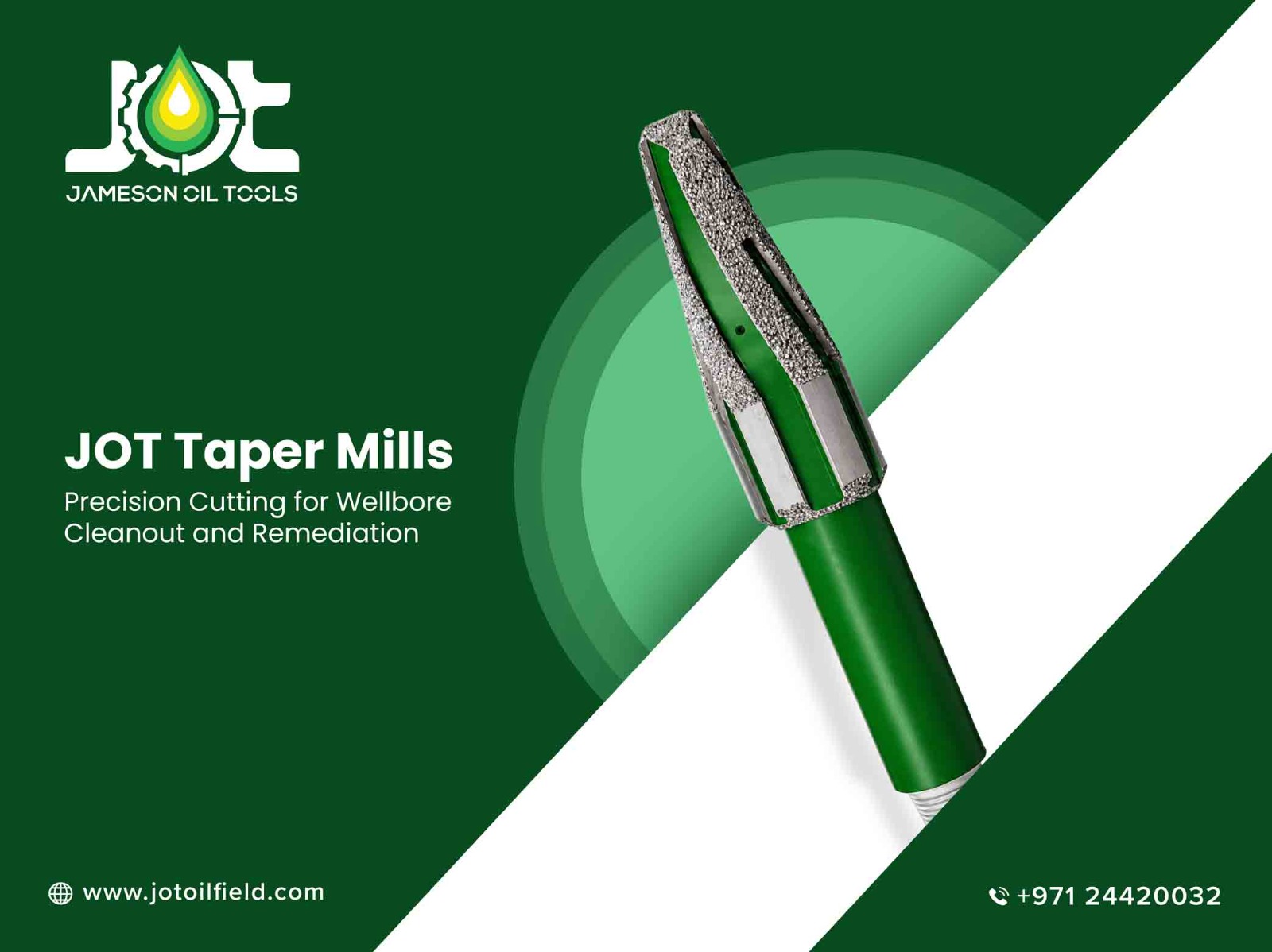
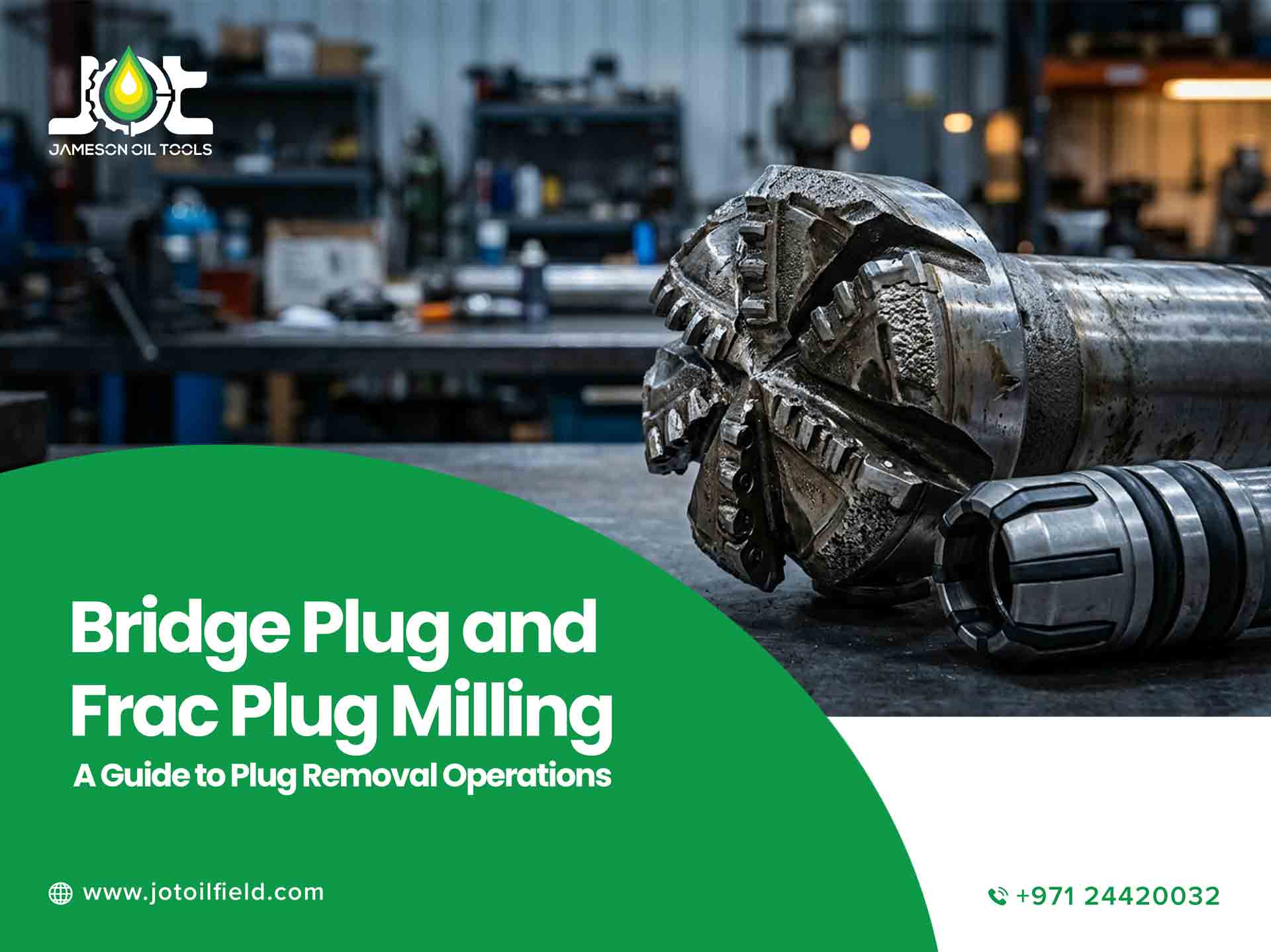
Choosing the right mill is essential for successful plug removal. Common tools include:
The correct mill design and dressing depend on the plug type, well conditions, and whether the operation uses coiled tubing or a workover rig.
Milled cuttings must be circulated out of the well. Poor debris handling can cause:
Fine, controlled cuttings are essential - a result of good mill design and dressing.
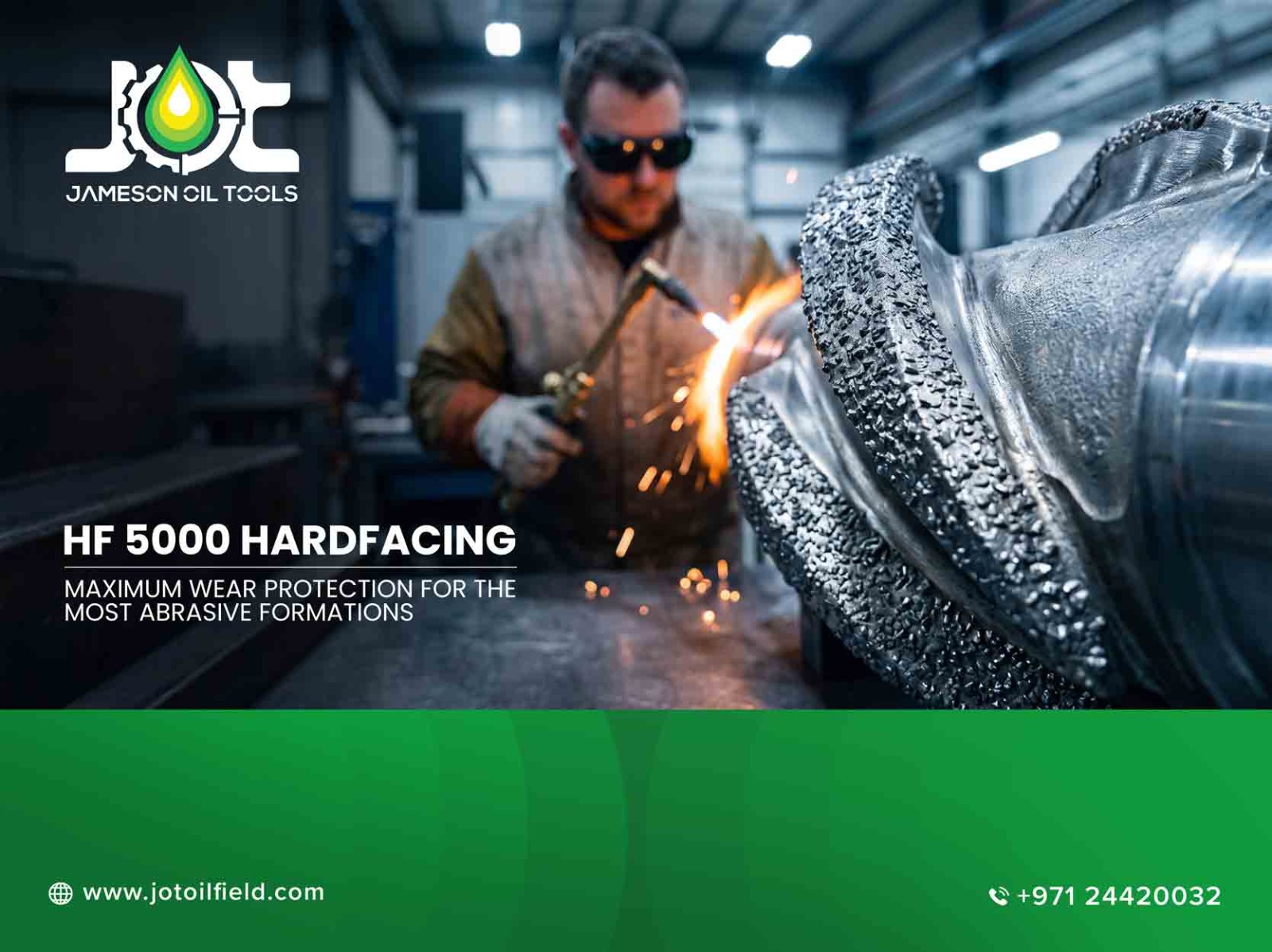
Milling generates heat and wears the cutting structure. Tools need:
In multi-stage frac wells, several plugs may need milling in a single run. This demands tools that maintain cutting performance from the first plug to the last.
Many plug milling jobs are done on live wells using coiled tubing. Tools must be compact, reliable, and able to handle production fluids and pressure.
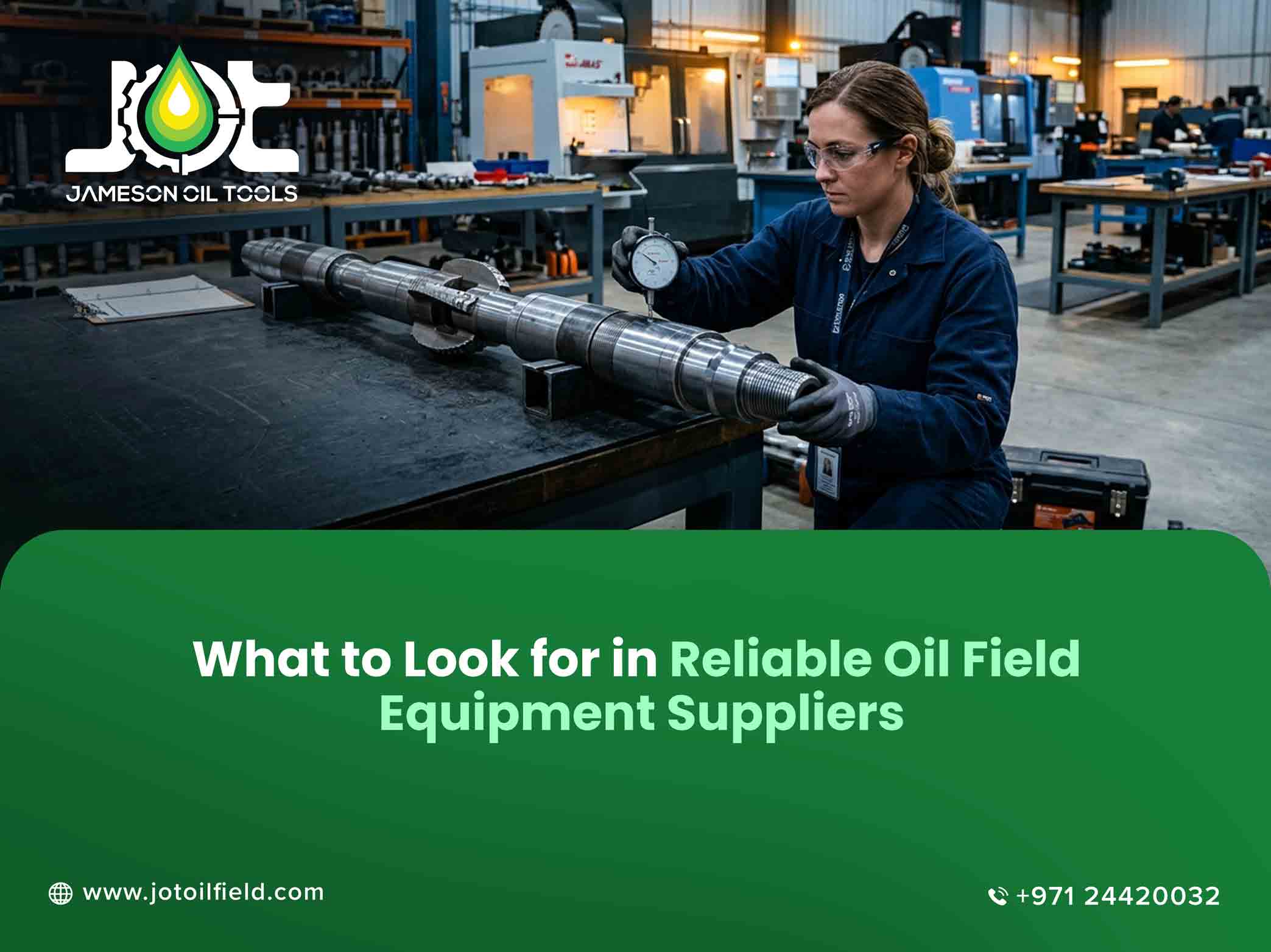
Plug milling puts heavy stress on tools. Tool failure during milling creates additional debris and downtime. This is why mills must be manufactured and dressed to the highest standards.
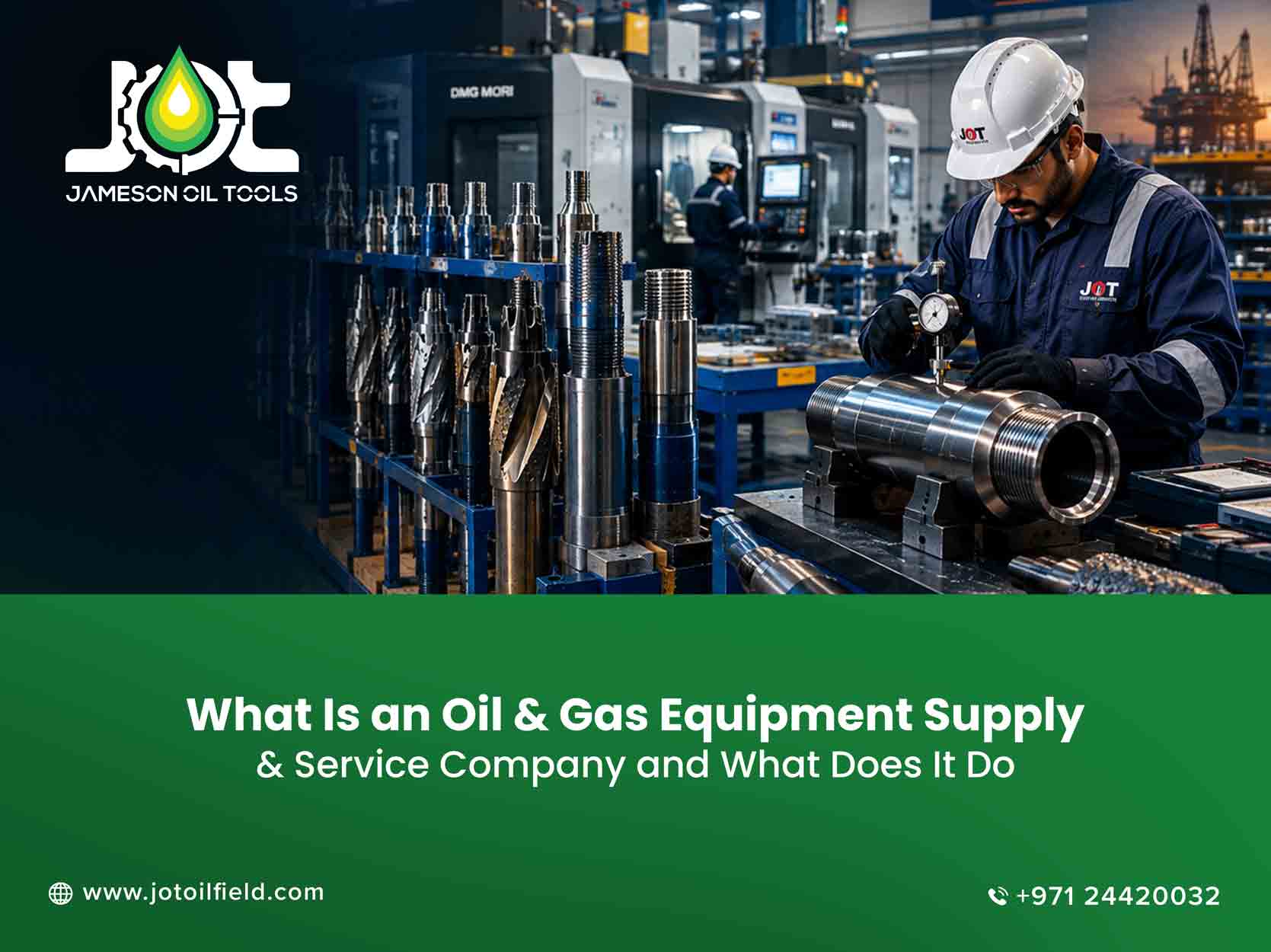
JOT Oilfield Services manufactures and dresses milling tools using:
As a trusted Oil & Gas Equipment Supply & Service Company, JOT Oilfield Services provides:
We support operators across the UAE, Oman, and Saudi Arabia with reliable milling tools designed for efficient plug removal.
Bridge plug and frac plug milling is a critical step in bringing a well into production. Success depends on selecting the right mill, understanding the plug material, managing debris, and using tools built to withstand heat and wear.
At JOT Oilfield Services, precision-manufactured mills, expert dressing, and durable hardfacing help operators remove plugs efficiently and get wells producing faster.
Browse our comprehensive catalogue for a diverse range of high-quality oil and gas equipment solutions.