
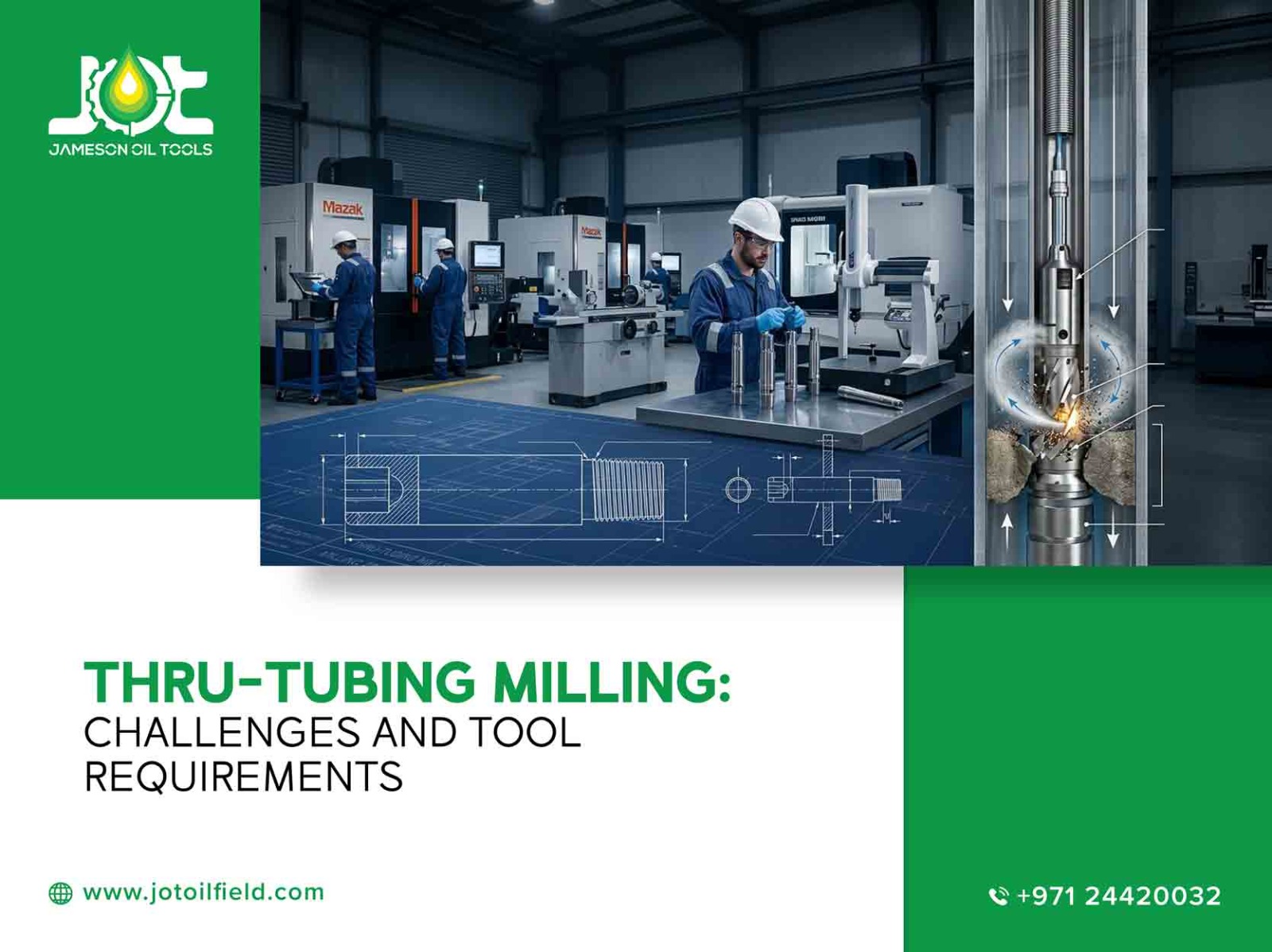
As oil and gas fields mature, well intervention has become one of the most important activities for maintaining and restoring production. Increasingly, operators prefer rig-less intervention methods that avoid the cost of pulling completions. At the center of this approach is thru-tubing milling - the practice of running milling tools through the production tubing to remove downhole obstructions without a workover rig.
Thru-tubing milling presents unique technical challenges that demand specialized tools, precision manufacturing, and strict quality control. In this article, JOT Oilfield Services, a trusted oil & gas equipment supply & service company, explains the challenges of thru-tubing operations and the tool requirements for successful live well intervention.
Thru-tubing milling involves deploying milling tools through the existing production tubing - typically on coiled tubing - to mill out obstructions in the wellbore below. Because the completion remains in place and the well can remain live, operators avoid:
This makes thru-tubing intervention one of the most cost-effective methods for restoring well performance in mature fields across the Middle East.
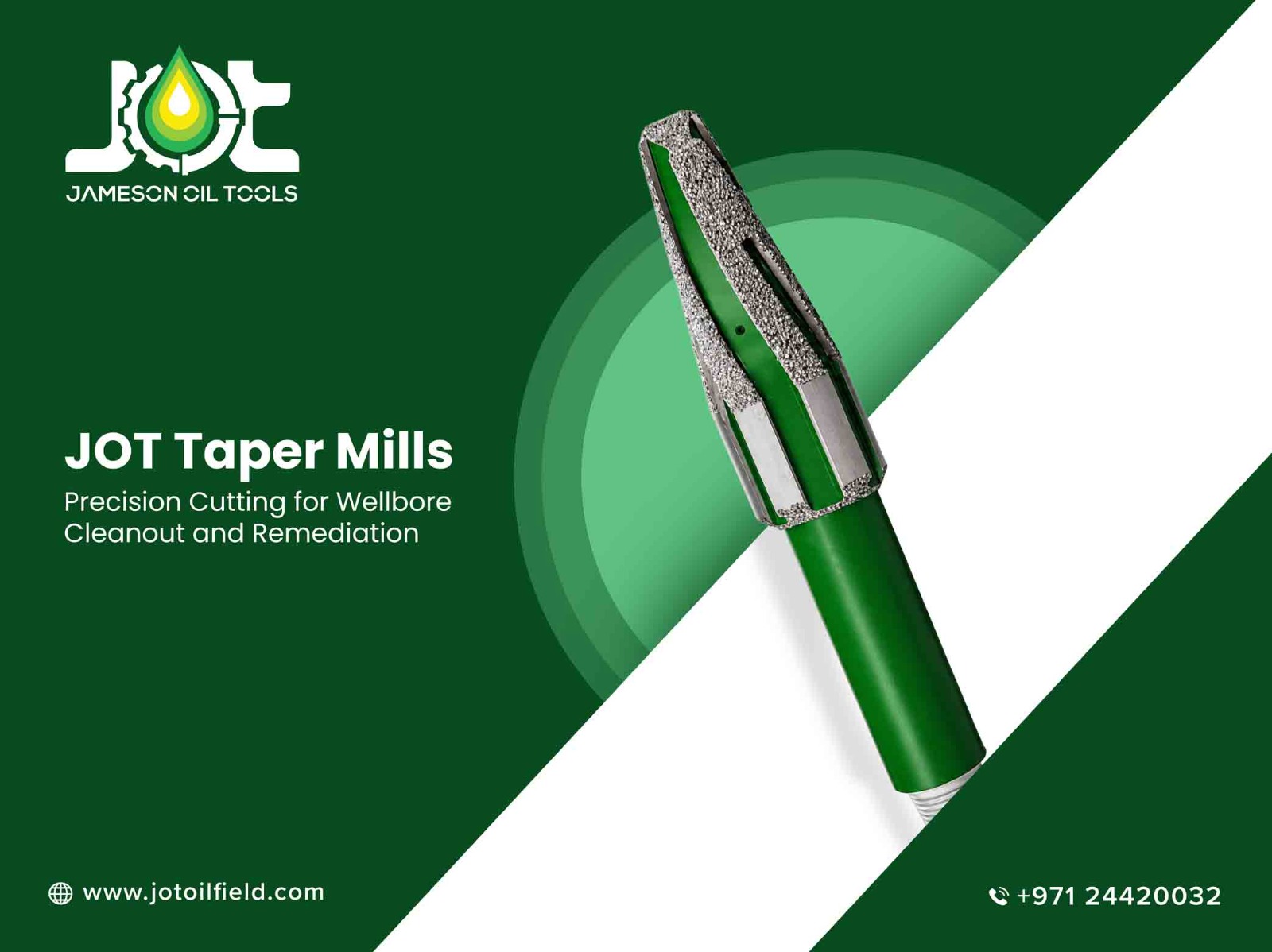
Thru tubing mills are used to remove a wide range of downhole obstructions, including:
Each application places different demands on the milling tool, which is why proper tool selection and quality manufacturing are essential.
The defining challenge of thru-tubing work is the size restriction. Tools must:
This requires compact tool designs manufactured to tight dimensional tolerances - a core capability of experienced oil and gas machine shops and CNC machining companies.
Coiled tubing cannot apply the same weight on bit as a conventional drill string. Consequences include:
Thru tubing mills must be dressed with high-performance cutting materials to maximize milling efficiency under low weight.
Thru-tubing milling relies on downhole mud motors for rotation. Tools must be designed to:
Motor sleeve integrity is also critical, which is why hard facing of stabilisers and motor sleeves supports reliable thru-tubing performance.
Milled cuttings must be circulated out through the annulus or captured downhole. Poor debris management leads to:
Fine, controlled cuttings are essential - a direct result of proper mill design and dressing quality.
Live wells expose tools to production fluids, H2S, CO2, and elevated temperatures. Tools require:
Reliable thru-tubing operations depend on tools that meet strict requirements:
Precision Dimensional Accuracy
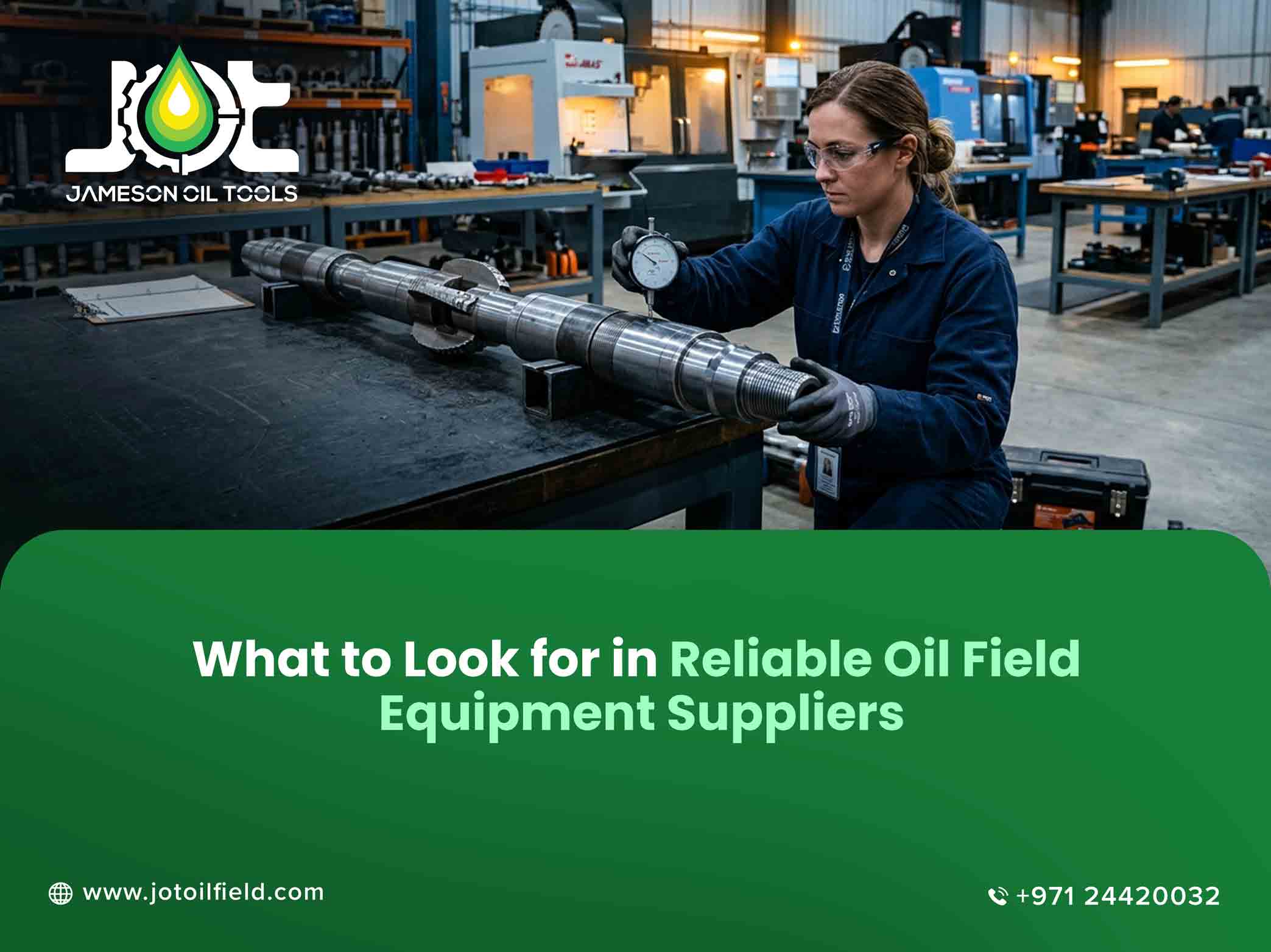
Every thru-tubing mill must pass through tight restrictions. JOT manufactures milling tools using CNC milling, cylindrical grinding machines, and precision measurement equipment to guarantee dimensional compliance.
High-Quality Cutting Structures
Mill dressing determines cutting efficiency. JOT provides expert dressing of milling tools and redress of milling tools using premium crushed carbide and hardfacing materials.
Robust Thread Connections
Connection failure in a live well creates a serious fishing problem. JOT performs thorough thread inspection, gauging, and verification on every tool connection.
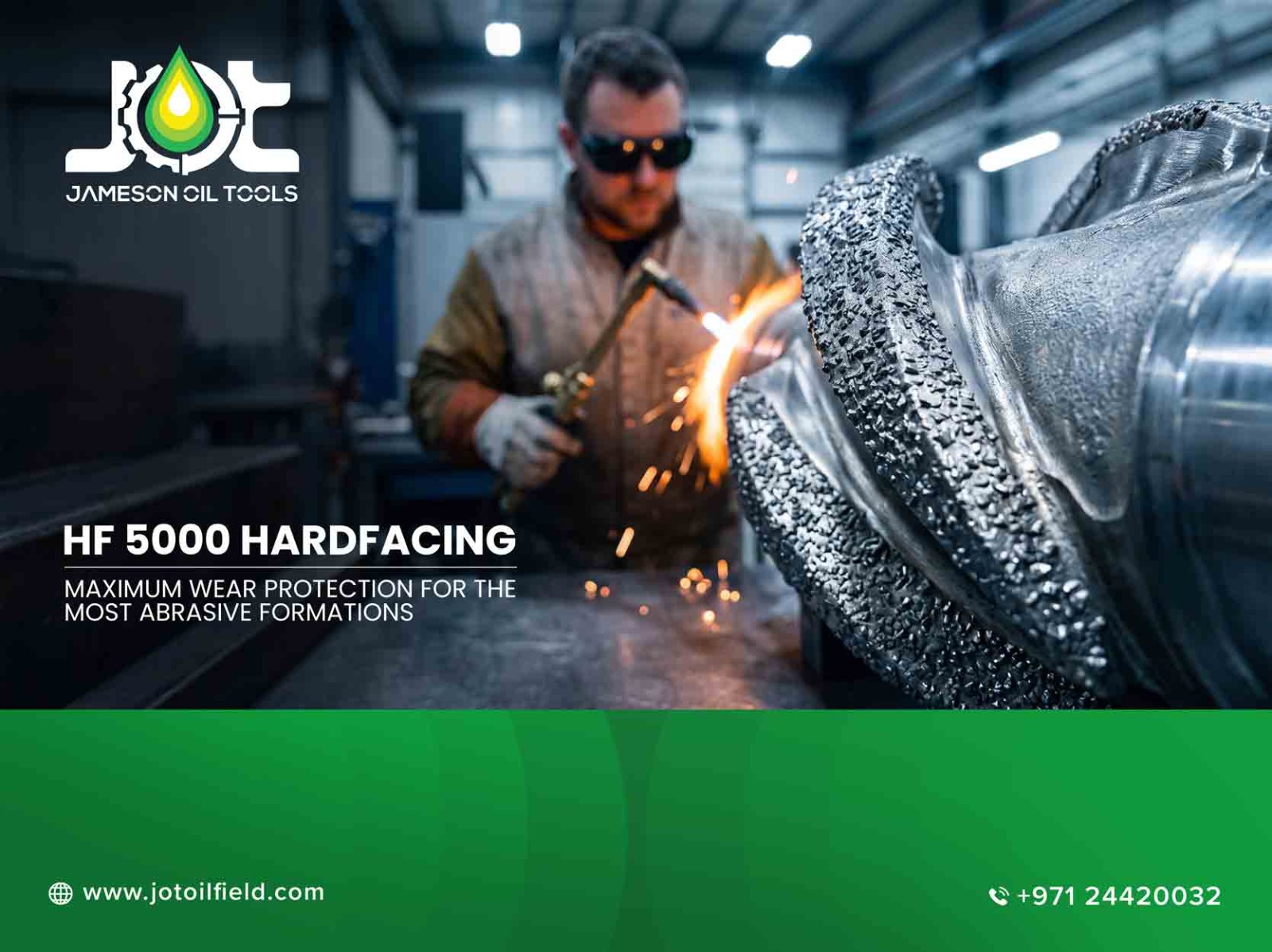
Wear Protection
Hardfacing extends tool life in abrasive milling environments. JOT offers HF1000 hard facing, HF 3000 hard facing, and HF 5000 hard facing solutions for demanding applications.
Verified Quality
Non-destructive testing (NDT) and dimensional verification ensure every tool is fit for service before deployment.
Common thru-tubing milling tools include:
Selecting the correct mill profile and dressing for the specific obstruction is essential for single-run success.
Across the UAE, Oman, and Saudi Arabia, operators are increasing intervention activity in mature fields to sustain production. Thru-tubing milling supports this trend by offering:
This growth increases demand for high-quality thru tubing mills from reliable oilfield equipment suppliers and oil field equipment manufacturers in the region.
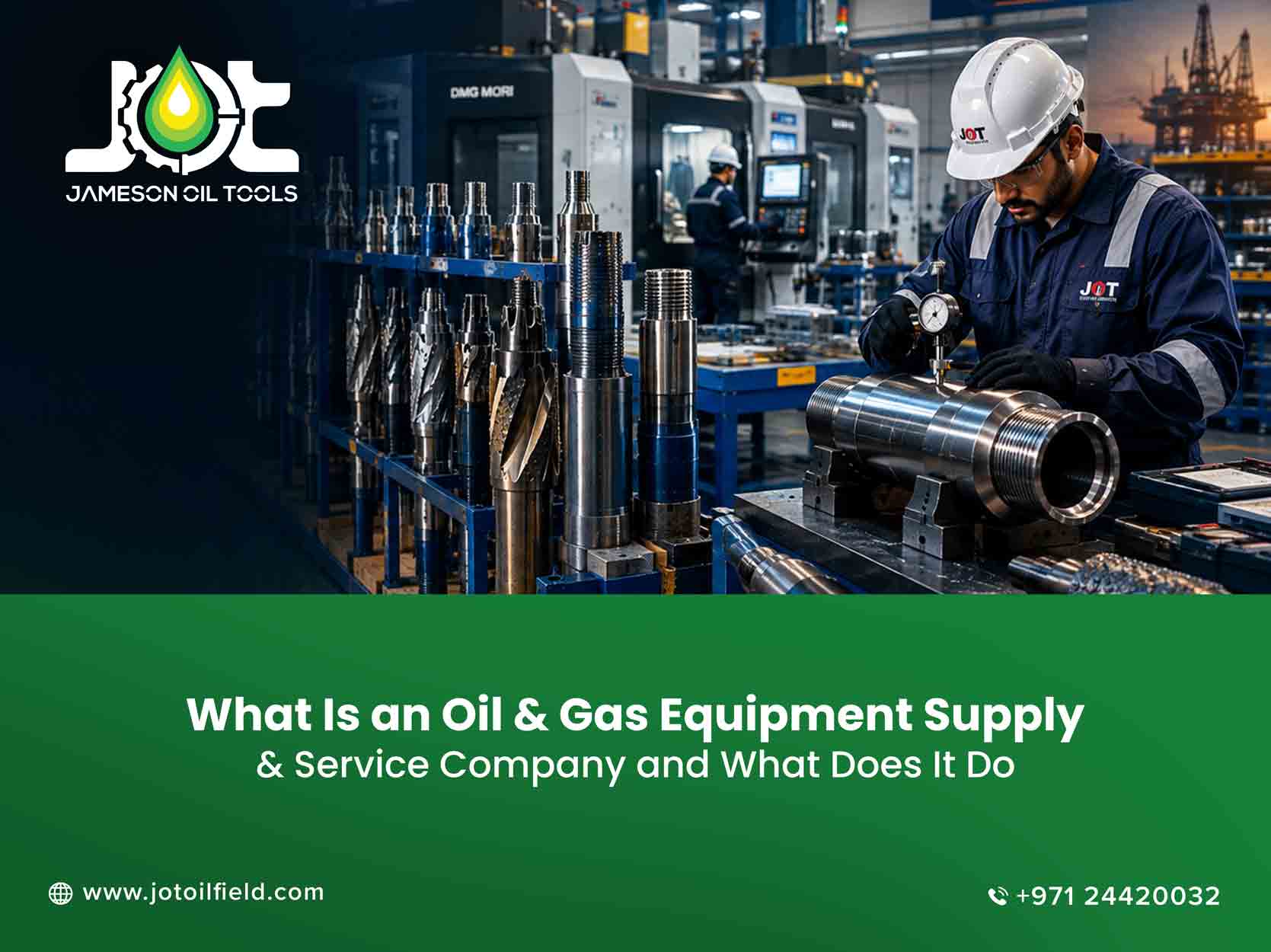
As a trusted Oil & Gas Equipment Supply & Service Company, JOT Oilfield Services provides:
Our modern machine shop, experienced team, and strict quality processes ensure every tool performs reliably in demanding live well environments.
Thru-tubing milling has become an essential technique for cost-effective well intervention, but its success depends on tools engineered for restricted diameters, low weight on bit, and harsh live well conditions. Precision manufacturing, quality mill dressing, verified thread connections, and effective hardfacing are non-negotiable requirements.
At JOT Oilfield Services, we combine precision manufacturing, expert refurbishment, and rigorous inspection to deliver thru-tubing milling tools that operators across the Middle East can trust - helping restore production faster and reduce intervention costs.
Browse our comprehensive catalogue for a diverse range of high-quality oil and gas equipment solutions.