The Importance of Thread Inspection in Downhole Tool Performance



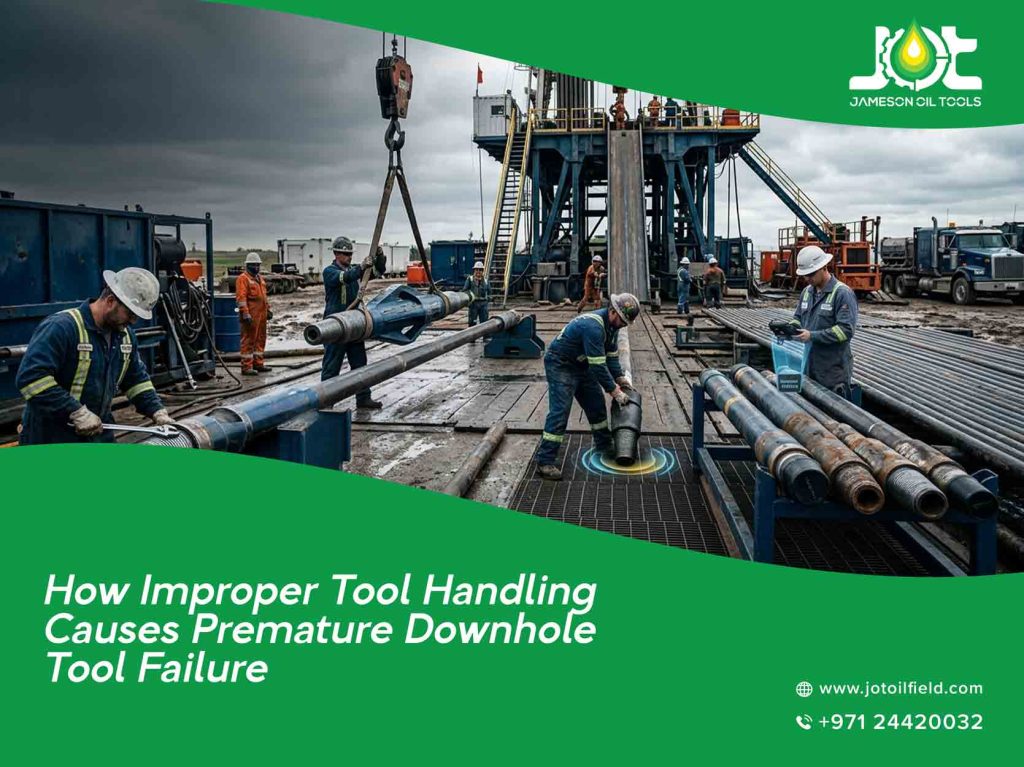
In oilfield drilling operations, downhole tools are designed to operate under extreme pressure, temperature, vibration, and mechanical stress. Improper Tool Handling can significantly impact the performance and lifespan of these critical components, which play a vital role in maintaining drilling efficiency, operational safety, and overall well performance.
However, even the highest-quality downhole equipment can fail prematurely when improper handling practices occur during transportation, storage, maintenance, or rig-site operations.
Poor handling not only reduces tool lifespan but can also lead to costly downtime, operational delays, and expensive repairs. Understanding the impact of Improper Tool Handling is essential for improving equipment reliability and preventing avoidable failures in drilling operations.
Downhole tools are precision-engineered components that require careful handling throughout their operational lifecycle.
Improper handling can result in:
In many cases, hidden damage caused during handling may not be immediately visible but can later lead to serious downhole failures under drilling loads.
Proper handling procedures help protect equipment integrity while improving operational reliability and safety.
One of the most common causes of premature tool failure is accidental dropping during loading, unloading, or rig-floor handling.
Even minor impacts can create:
These defects may worsen during drilling operations and eventually cause catastrophic tool failure.
Storing tools in poor environmental conditions can expose them to:
This may lead to corrosion, contamination, and material degradation before the tools are even deployed.
Threads are among the most sensitive parts of downhole tools. Improper handling during makeup, breakout, or transportation can damage threads and compromise connection integrity.
Damaged threads can cause:
Using improper lifting methods can place unnecessary stress on tools and components.
Examples include:
These issues may create bending stress or structural damage that affects tool performance.
Deploying tools without proper inspection increases the risk of running damaged equipment downhole.
Undetected issues may include:
Improper handling can significantly affect drilling performance and operational efficiency.
Possible consequences include:
In high-cost drilling environments, even small handling mistakes can result in major financial losses.
Proper handling procedures are only effective when personnel are adequately trained.
Training programs should include:
Well-trained personnel help minimize equipment damage and improve overall operational reliability.
To improve tool lifespan and reduce operational risks, oilfield companies should follow these best practices:
These practices help ensure tools remain in optimal condition throughout their operational life.
In modern drilling operations, equipment reliability is essential for maintaining productivity and controlling costs.
By implementing proper handling procedures, operators can:
Preventing handling-related damage is often one of the most effective ways to improve overall equipment reliability.
Improper tool handling is one of the leading causes of premature downhole tool failure in oilfield operations. Damage caused during transportation, storage, lifting, or rig-site handling can significantly reduce equipment lifespan and increase operational risks.
By following proper handling procedures, conducting regular inspections, and investing in personnel training, oilfield companies can improve equipment reliability while reducing downtime and repair costs. In demanding drilling environments, protecting downhole tools through proper handling practices is essential for achieving safe, efficient, and cost-effective operations.





Browse our comprehensive catalogue for a diverse range of high-quality oil and gas equipment solutions.